Ombudsman in South Africa: When and How to Escalate a Complaint
Stuck with a company that will not fix your complaint? Here is which ombudsman covers your industry, when you can escalate, and how to lodge, for free.
 By Hellopeter Editorial Team
Escalation path overview
- Around 20 business days
- Businesses often respond within days
- A few weeks to a few months
- Varies by matter
- 1
Complain to the company first, in writing
An ombudsman will almost always turn you away if you have not given the business a chance to fix it first. Lodge your complaint with the company in writing (email or its complaints form), state plainly what you want, and get a reference number. Keep every reply. This is the single most important step, because the company's response, or its silence, is what you take to the ombudsman.
The company's complaints channel. Always get a written reference number.Expected: Around 20 business daysWhen to escalate
The company rejects your complaint, ignores it, or its deadline passes with no resolution.
- 2
Put it on the public record on Hellopeter
A private complaint is easy to ignore. A public, factual one, posted where the business replies in front of every future customer, is not. Post your experience on the company's Hellopeter profile with your reference number. This often resolves the matter on its own, and if it does not, your public record is useful evidence of how the business handled you.
The company's profile on hellopeter.com, free to post a review.Expected: Businesses often respond within daysWhen to escalate
Still no fair resolution after a reasonable wait.
- 3
Find the right ombudsman, and lodge with them
Identify the ombudsman for your industry from the table below, then lodge your complaint on their website or by email. Include your reference number, a short timeline of what happened, what you want, and copies of the key documents (contract, statements, emails). It is free. The ombudsman will contact the business on your behalf and work towards a resolution.
The industry ombudsman (see the directory below). Always free.Expected: A few weeks to a few monthsWhen to escalate
The ombudsman cannot assist, or you want to enforce a statutory right.
- 4
The Consumer Protection Act as your backstop
For goods and services covered by the Consumer Protection Act, you can lodge with the National Consumer Commission (NCC) or refer the matter to the National Consumer Tribunal. This is the formal enforcement route for unfair treatment, faulty goods, or a business that has broken the law, and it sits behind the ombudsman schemes as your final backstop.
National Consumer Commission (NCC) and the National Consumer Tribunal.Expected: Varies by matter
Ombudsman in South Africa: When and How to Escalate a Complaint
When a company digs in and refuses to resolve a genuine complaint, you aren't out of options. South Africa has a network of ombudsman schemes: free, independent bodies that step in when a business won't put things right. The catch is that there are several of them, each covering a different industry, and you have to use the right one at the right time. This guide shows you when you're allowed to escalate, which ombudsman handles your problem, and how to lodge, for free.
First, what an ombudsman is (and is not)
An ombudsman is an independent dispute-resolution office that investigates complaints against businesses and recommends or orders a fair outcome. It's not a court and not a regulator's enforcement arm. It's free, it's impartial, and for most consumer disputes it's the fastest route to a result once a company has dug in. An ombudsman will look at the facts, the contract, and the law, and can tell a business to refund you, honour a claim, or fix the problem.
What it won't do: it won't take your complaint before you've given the company a fair chance to resolve it first. That first step isn't optional, it's the thing that unlocks every door after it.
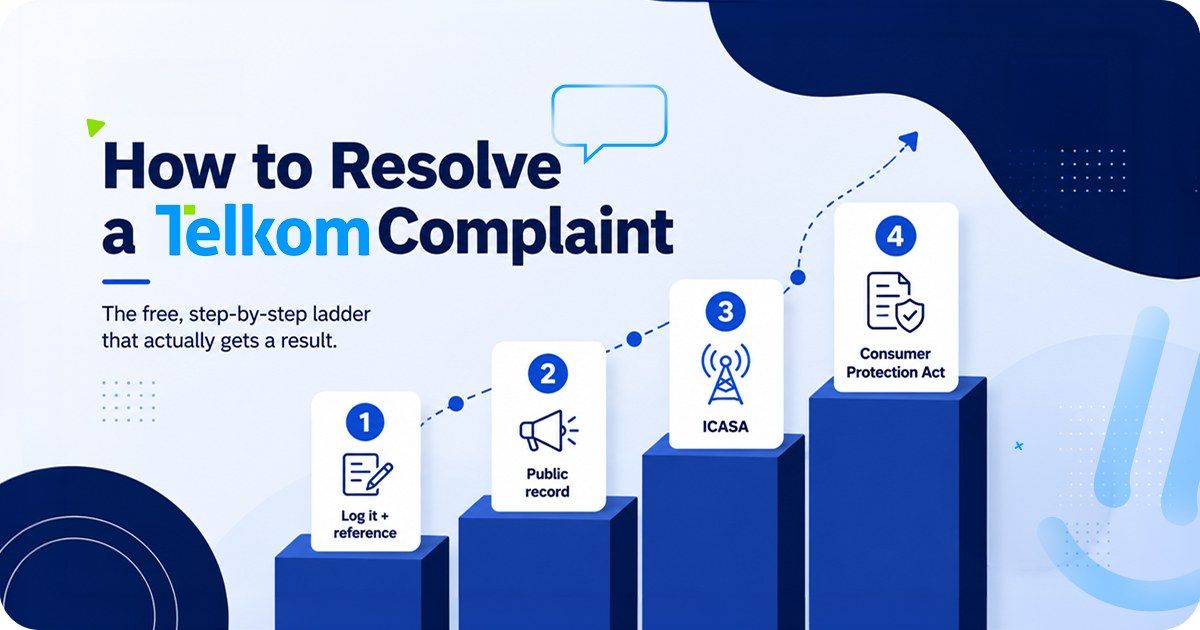
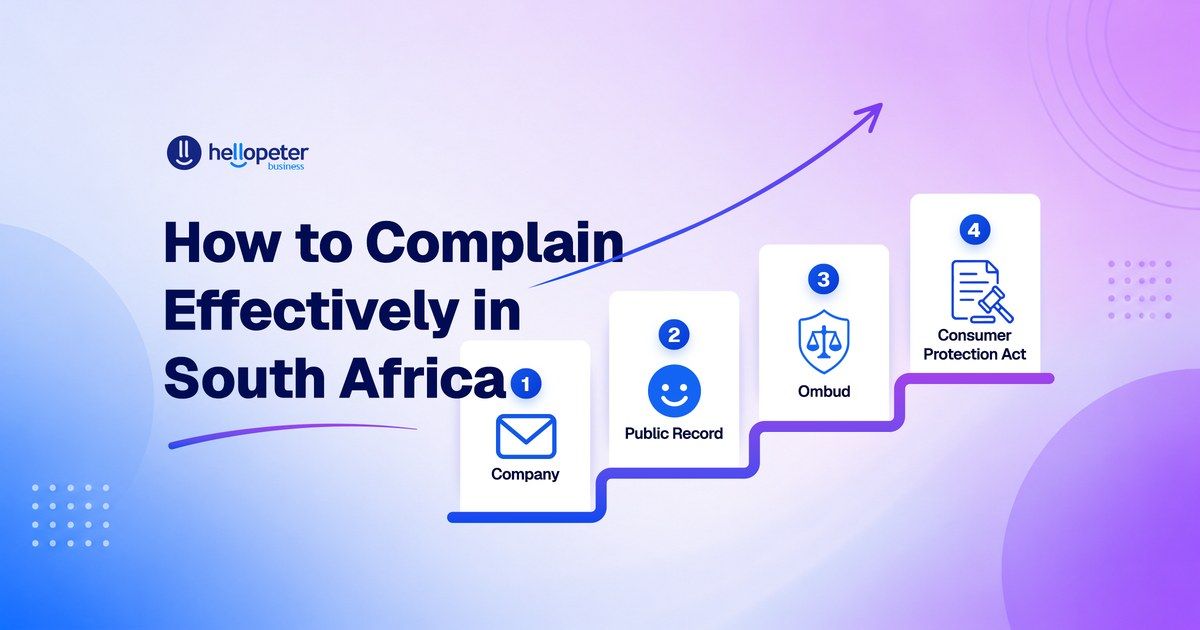
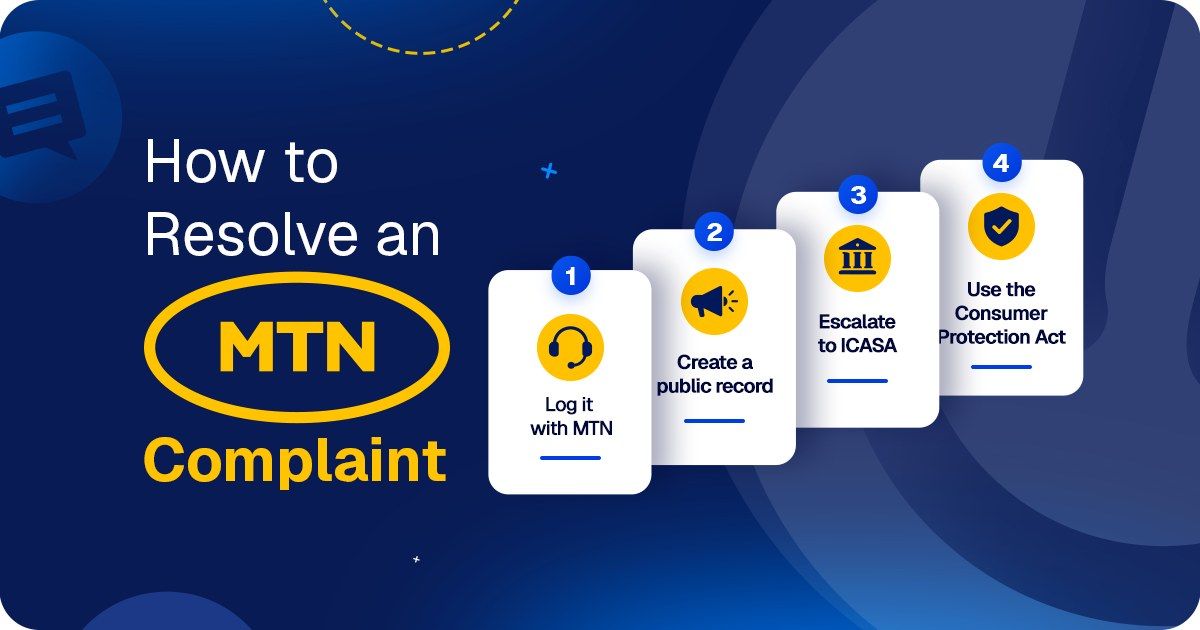
The escalation ladder
Work through these in order. Most complaints are resolved at step 1 or 2, but each rung exists for when the one before it fails.
Which ombudsman handles your complaint
The most common mistake is lodging with the wrong office, which costs you weeks. Use this directory to go straight to the right one.
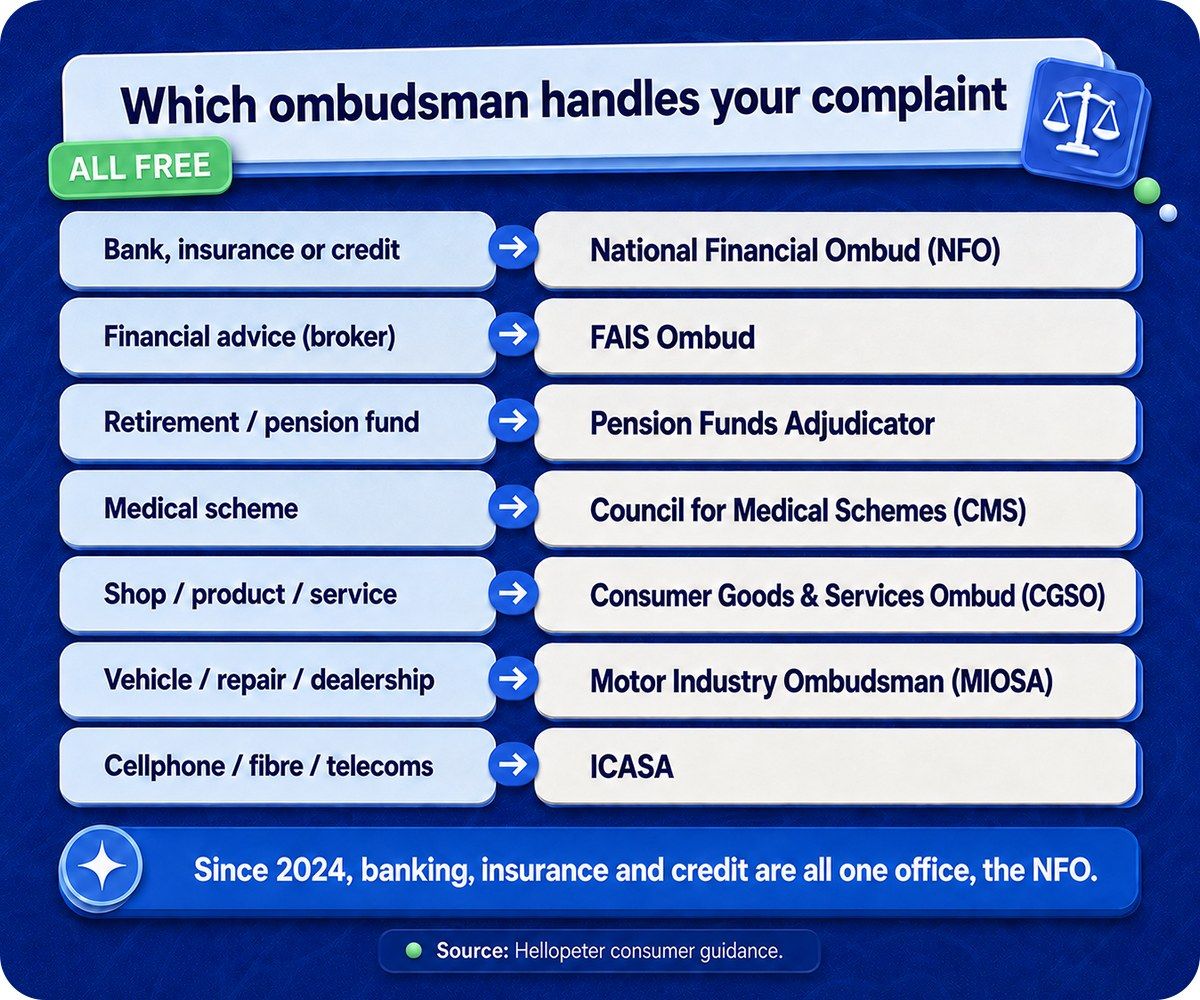
| Your complaint | Who to contact | What they cover |
|---|---|---|
| Bank, insurance or credit | National Financial Ombud (NFO) | Banking, life and short-term insurance, and credit, in one scheme since 2024 |
| Financial advice from a broker | FAIS Ombud | Poor or conflicted advice from a financial services provider |
| Retirement or pension fund | Pension Funds Adjudicator | Disputes about retirement and pension funds |
| Medical scheme / medical aid | Council for Medical Schemes (CMS) | Claims, authorisations and scheme disputes |
| Shop, product or service (retail) | Consumer Goods and Services Ombud (CGSO) | Most retail goods and services complaints |
| Vehicle, repair or dealership | Motor Industry Ombudsman (MIOSA) | New and used vehicles, repairs and servicing |
| Cellphone, fibre or telecoms | ICASA | Network, billing, contracts and faults |
Source: Hellopeter consumer guidance (confirm current scheme names and scope on each ombudsman's website) — June 2026
Telecoms is the one exception in the table above: it has no dedicated ombud, so cellphone, fibre and telecoms complaints go to ICASA, the industry regulator, which handles consumer complaints against the operators it licenses.
The big change: one ombud for banking, insurance and credit
If your complaint is about a bank, an insurer, or credit, you no longer have to work out which of several offices to use. Since 2024 the National Financial Ombud Scheme (NFO) has brought the former banking, life insurance, short-term insurance and credit ombud offices together into a single scheme. So a bounced claim, a disputed bank charge, or a credit-agreement problem all start in the same place. For financial advice specifically (a broker who steered you wrong), that still goes to the separate FAIS Ombud.
How to give yourself the best chance
A complaint that's calm, documented and specific gets resolved faster at every level. Before you escalate: keep a tidy file of dates, reference numbers, contracts and statements; put everything in writing so you can prove it; say exactly what outcome you want (a refund, a repair, a claim paid); and be patient but persistent. The ombudsman is judging the facts, so the side with the clearer record usually does better.
Mind the deadline
Ombudsman schemes don't stay open forever. Most expect you to lodge within a set period after the company gives you its final response, often around six months, so don't sit on it. The clock usually starts when the business gives you its final answer, or when its deadline to respond passes. If you're close to the limit, lodge what you've rather than waiting for the perfect file, you can always add documents later. Waiting too long is one of the few things that can close a door that would otherwise have been open to you.
A Note on This Guide
Hellopeter is an independent review platform, not an ombud, regulator or legal adviser. We're the impartial space where customers and businesses sort things out in public. This guide is general information to point you in the right direction, and official processes can change, so always confirm the current steps with the body you're escalating to.
Frequently asked questions
- Does It Cost Anything to Use an Ombudsman?
- No. Every ombudsman scheme in South Africa is free for consumers. They're funded by the industries they oversee, not by the people who complain.
- Can I Go Straight to the Ombudsman?
- No. You must give the company a fair chance to resolve the complaint first, usually around 20 business days, and have its final response or proof that you tried. The ombudsman will ask for this before opening a case.
- Which Ombudsman Do I Use for a Bank or Insurance Complaint?
- The National Financial Ombud (NFO). Since 2024 it handles banking, life insurance, short-term insurance and credit complaints in one scheme.
- What If My Complaint Is About Medical Aid?
- Medical scheme complaints go to the Council for Medical Schemes (CMS), the regulator, which handles claims, authorisations and disputes with your scheme.
- What Can an Ombudsman Actually Do?
- It investigates the facts and the law and works towards a fair outcome. Depending on the scheme, it can recommend or direct a business to refund you, pay a claim, or correct a mistake. It's not a court, but its findings carry real weight.